In brief
- Pay for useful instruction, an appropriate plan and feedback, not exercise made needlessly complicated.
- Independent training can be a good choice if it suits your confidence, routine and budget.
- Ask about inclusions, progress, cancellation terms and total cost before committing.
The hour should involve more than counting
At CJ White PT, new-client individual sessions cost £60 for 60 minutes. That is dedicated coaching time, rather than a gym entry fee or a promise of a particular result.
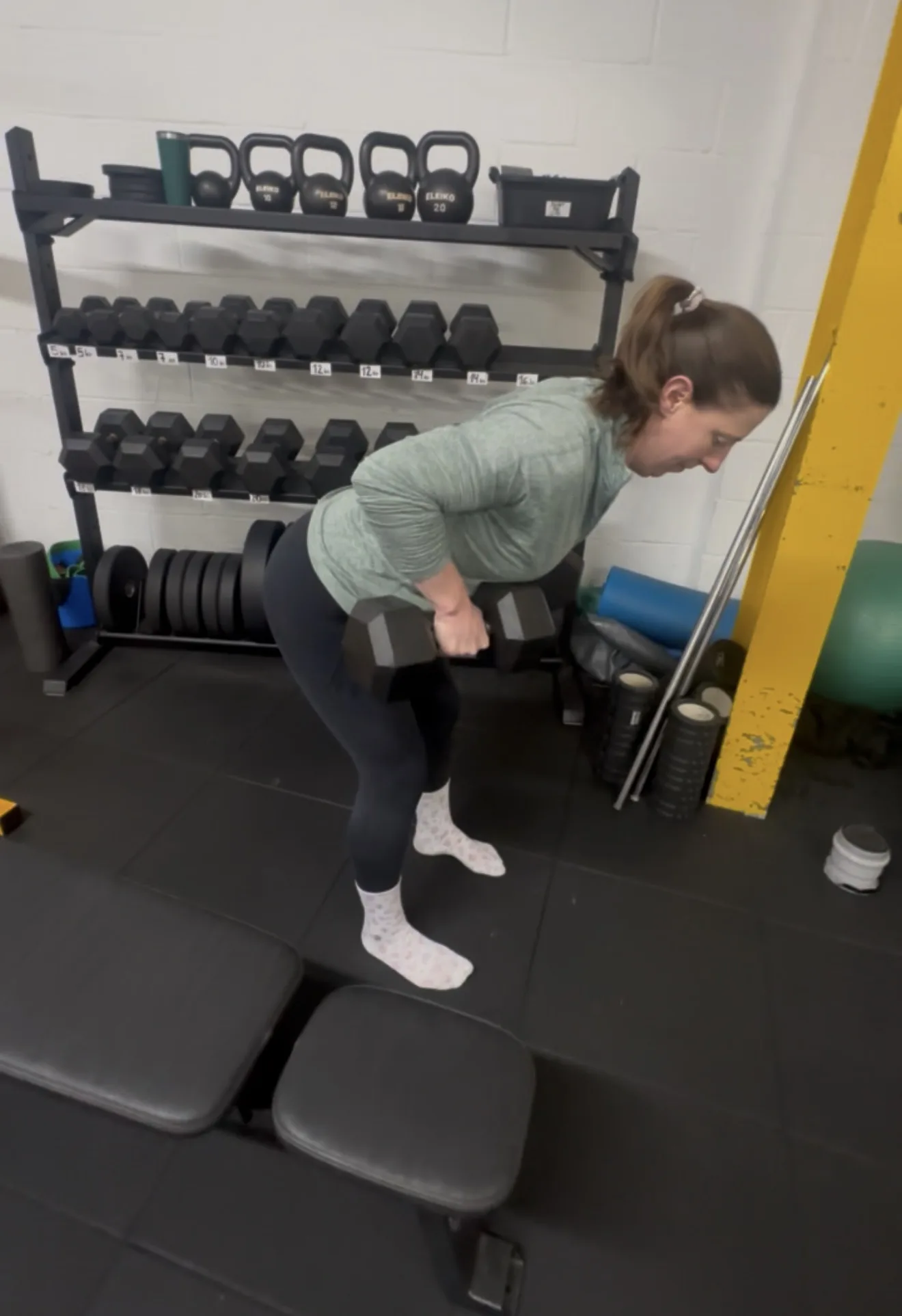
A useful coach notices how you are moving, chooses a suitable starting point and explains what to change. They can adjust an exercise when it is too difficult, too easy or simply not a good fit that day. You should understand the task, not just wait for the next instruction.
If all you need is somebody to count to ten, there are cheaper options. The point of individual attention is to help you practise well and become more confident, not to make exercise unnecessarily complicated.
A plan, and a reason for changing it
Programming means choosing work that supports your goals and arranging it sensibly. It does not have to mean a different exercise every week. Repeating a manageable set of movements gives you a chance to learn them and notice progress.
Progression is deciding when and how to make that work a little more challenging. That might be another repetition, a modest increase in resistance or better control. It is not automatically a heavier weight because the calendar says so.
Ask how your progress will be reviewed and what, if anything, you are expected to do between appointments. Do not assume every trainer includes the same written plans, messaging access or outside-session support. Get the actual arrangement clear before paying.
Accountability is support, not a telling-off
An appointment can make training more likely to happen. Knowing someone will ask how the week went may help you notice the difference between a genuine obstacle and an unrealistic plan.
That should not turn into guilt about missed workouts or food. If work keeps swallowing your planned session, the useful response is to change the plan, not make you feel worse about your diary.
Coaching still cannot do your practice, recovery or decisions for you. It can provide structure and feedback. It cannot guarantee a body shape, a pain-free future or a fixed rate of improvement.
When paying for coaching may make sense
Think about the problem you want help solving, rather than whether personal training is “worth it” in the abstract.
- You are unsure how to start and would value patient, individual instruction.
- You have a plan but do not know whether the exercises or difficulty suit you.
- You repeatedly abandon routines because they do not fit your week.
- You want regular feedback rather than guessing whether you are progressing.
When a gym membership or independent plan may be better
If you enjoy training alone, understand the exercises and already follow a sensible routine, a gym membership and independent plan may give you what you need at a lower cost. You do not need to buy coaching to make your training legitimate.
The same applies if paying for PT would make everyday finances uncomfortable. More expensive is not automatically more effective, and worrying about the bill is not a good foundation for a sustainable habit.
A local group class may suit someone who enjoys company and a shared timetable. The trade-off is less individual attention. Choose the kind of support you will actually use rather than the option with the grandest description.
Do the ordinary maths
Four £60 sessions come to £240. Eight come to £480. Those are examples of session costs, not a package offer or a recommendation that you need that many.
Consider travel and time as well. If you live or work around Greenwich, Blackheath or Lewisham, a weekday-morning studio visit might fit. If getting there would regularly disrupt work or family commitments, another arrangement may be more practical.
Ask about current availability, cancellation terms and what you are committing to before you book paid sessions. A price is only clear when you understand what happens if plans change.
Questions worth asking before you commit
You should not have to guess what you are buying. A straightforward conversation can cover the important points.
- What would we work on first, and why?
- What does the session price include, and what costs extra?
- How will we review progress without relying only on weight or appearance?
- What would you expect me to do outside our sessions?
- What are the cancellation terms and any minimum commitment?
- What happens if something is outside your coaching scope?
Try the conversation before the commitment
My Free 45-Minute Personal Training Experience gives us time to discuss your goals, try comfortable movement where suitable and do a little coaching. We can then talk about realistic ongoing options and their costs.
It is not a free 60-minute workout or a promise that PT is the right purchase for you. There is no obligation. The aim is to help you make a more informed decision, including deciding not to buy.
Transparent sourcing
Sources and scope
This is educational coaching guidance, not medical advice or a personalised exercise prescription. Service details come from the current CJ White PT offer; any general activity guidance is linked below. Individual needs and responses vary.